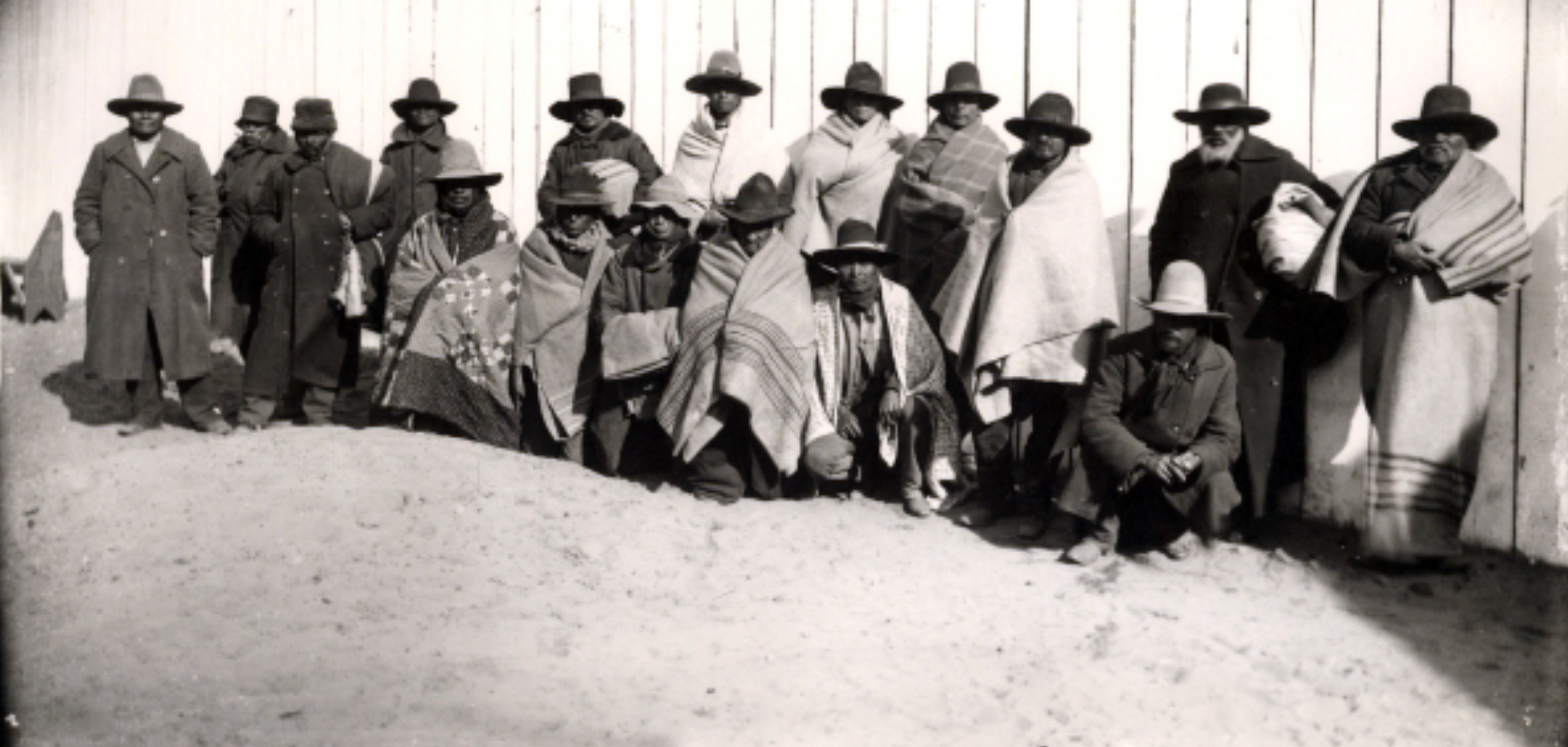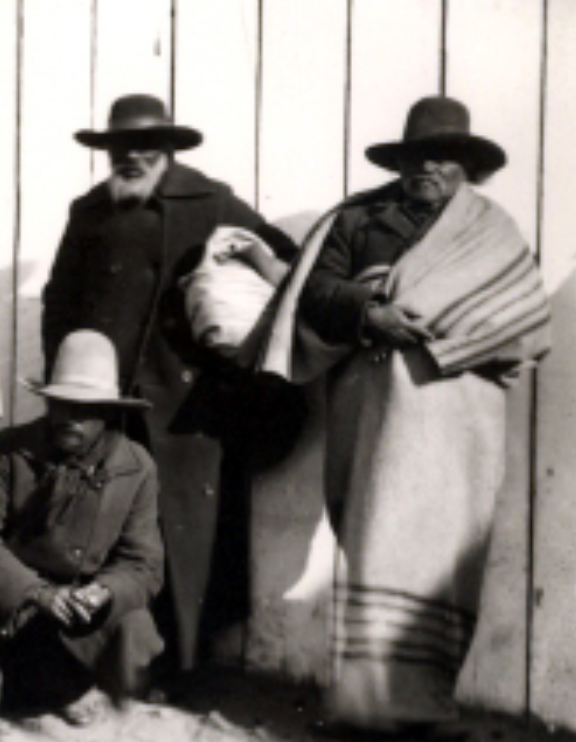
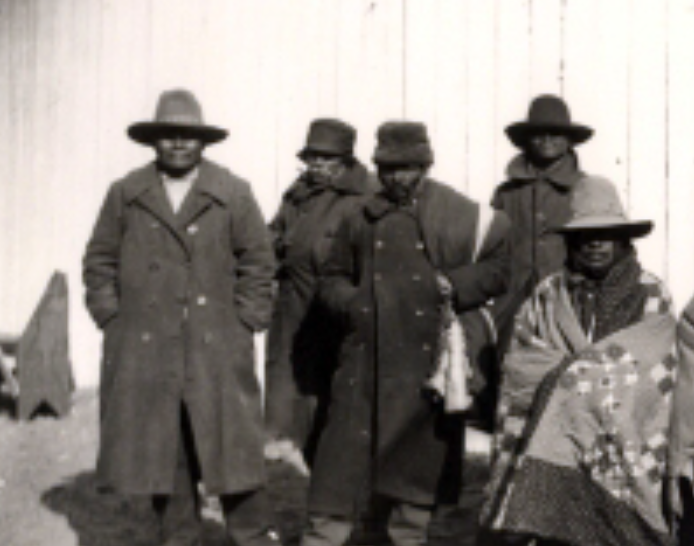
Photo: Traditionalist Black Creek Rebels, of the Crazy Snake Rebellion, 1909, by US Army, Wikimedia
The “divide and conquer” model has worked well in battle, but a reverse strategy is needed to recover native and black-owned land that was stolen. That, in turn, requires that these two groups work together to power a common agenda that will gain traction – and regain family property.
Black and Indigenous people with similar American histories share a common goal to reclaim or retain the land that plays such a vital role in shaping their respective cultures.
To Indigenous people, land represents a living entity that encompasses their identity, culture and spiritual foundation.
To Black people, land means economic empowerment, resilience and generational wealth. It also has a spiritual connection that warrants a deep appreciation of its value as a home.
Broken promises and treaties from the 1700s onward forced well-established tribes to be moved from their ancient homelands to accommodate colonists need for more land.
Even tribes that had served in the American Revolution were “rewarded” were displaced from their established properties on the east coast and sent to untamed land in remote areas far inland.
This was not the first movement
These challenges, along with mischaracterizations that labeled Indigenous people as savages, played a large part in them being removed from their land altogether and placed on reservations with limited natural resources forcing dependencies and shortages that led sub-standard living conditions, major health challenges and substance abuse.
Indigenous people, including those Blacks who were first introduced to the United States as cargo and their slave labor used to build industries and facilities, including the United States Capital, found their own, small parcels of land, stripped or taken away.
According to the American Bar Association, Black Americans owned nearly 14 million acres of land by 1910, considered their peak period of land ownership. Maintaining that ownership was another matter, due to discriminatory practices such as redlining and poor or nonexistent financing options.
Many Southern Black people who lost their property moved to the North to find work to support their families and, ideally, purchase and hold onto their property. Exclusionary practices were put in place that, without the right to vote or sue, Blacks had few options to combat. Many southern Black people were forced to sell their property for less than its value and forced to work their own property as sharecroppers. Forever in debt.
Indigenous people living on reservations faced removal because the property had rich ore deposits, or oil, or found themselves in the path of a pipeline or railway. Natives fighting to reclaim their original homelands today face a unique challenge. Those lands are no longer fertile plains but major towns and cities.
A PBS NewsHour story titled “Movement to Return Land Taken by Black and Indigenous People in US Gains Momentum” reports that cities and states nationwide are exploring forms of reparations to address land grabs. California has been at the forefront of this movement to return land to the descendants of those who were removed from it. Again, largely Black and Indigenous peoples.
As pointed out by Reporter Stephanie Sy, “There are many challenges in recovering what was lost. The intersection of the land grabs, and the importance of identifying the connections, lies in the ‘strength in numbers’ needed to achieve wins where possible for future generations.”
According to research by Indiana University at Bloomington entitled, “Land, Wealth, Liberation – The Making and Unmaking of Black Wealth in the US” with the subhead, Afro-Indigenous Intersection in the U S A” highlights the key elements.

“Expansion of the United States and the generation of capital for the new nation took place on stolen Native lands with the extraction of labor from oppressed peoples, primarily African slaves and people of color. African Americans’ struggle to acquire land juxtaposed with Native American nations’ struggle to retain land and sovereignty produces a zone of contestation that is navigated in a variety of ways by different nations, individuals, and alliances.”
Currently, there are lawsuits addressing potential land grabs based upon these historical references and tactics to disenfranchise Black and Indigenous people who still lack economic and political power in rural communities where close-knit dynasties have maintained control.
Whether it is a reservation fight by Indigenous people against developers who want to build tourist attractions or subdivisions, or Black farmers fighting for foreclosed property against local state, county, and business alliances that have deep pockets – and compliant legislators.
Bringing the Black and Native American communities together is essential to amplify voices for change and create greater public awareness of historical disparities needing to be addressed.
If that alliance does not come together soon, history will continue to repeat itself. The choice is still available.