

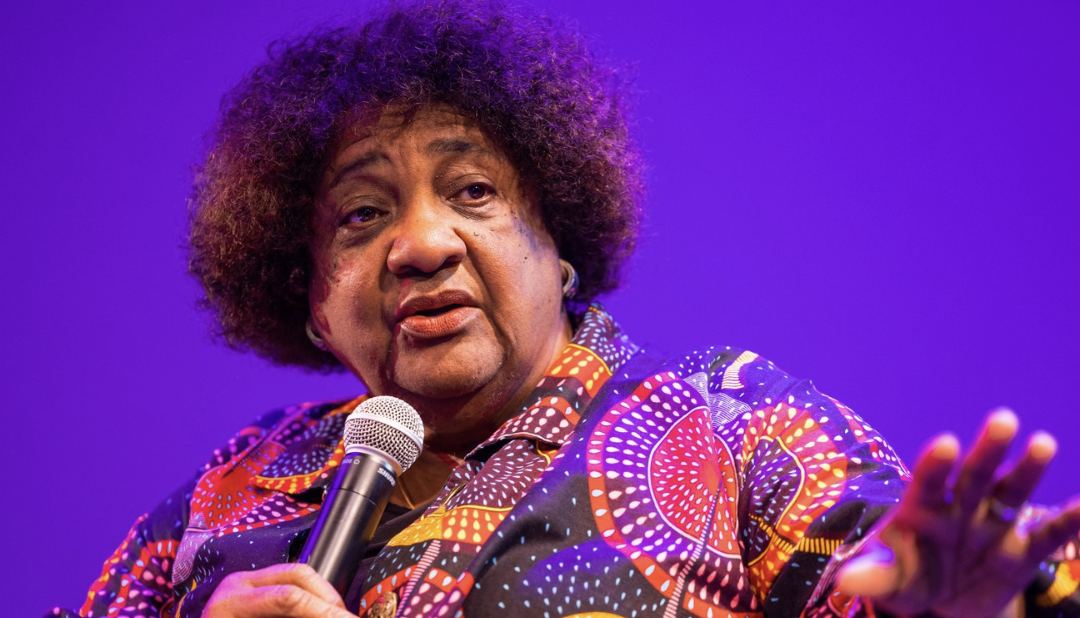
“Your vote is as powerful as mine if you use it,” California Secretary of State Shirley Weber told reporters during an October 8 media briefing, urging Californians to participate in the November 3 general election despite concerns about federal interference, voter intimidation and misinformation.
Speaking at a briefing organized by American Community Media in partnership with the California Secretary of State’s office, Weber addressed questions from journalists representing California’s diverse communities. The discussion covered the security of mail-in ballots, recent legal challenges to state election procedures, fears surrounding Immigration and Customs Enforcement (ICE) activity at polling places, and efforts to reach voters who have become disillusioned with political institutions.
Weber said California’s voting procedures remain unchanged despite efforts by the Trump administration to impose new requirements on mail-in voting and obtain access to voter registration information. The state has challenged federal demands in court, she said, preserving its existing election system and maintaining control over its voter records.
“We refused to, went to court and won the case that we do not have to give them our social security numbers and a list of all of our voters,” Weber said. She described California as one of the states that resisted federal requests for voter information, while others chose to comply.
According to Weber, the administration also sought changes that would have given the U.S. Postal Service a greater role in determining voter eligibility and distributing mail-in ballots. She said the proposed requirements would have forced states to revise voter lists and election procedures shortly before the November election.
The courts rejected those changes, Weber said, allowing California to continue operating under the procedures used during its June primary election. Every registered California voter receives a ballot by mail and may return it through the postal service, an official ballot drop box or an election office or voting location.
Weber encouraged voters to return their ballots early rather than wait until Election Day, particularly those concerned about potential disruptions. She described the state's secure ballot drop boxes, commonly located at libraries and other public facilities, as a convenient alternative to voting in person.
Questions about the possible presence of ICE agents at polling places received particular attention during the briefing. Journalists asked what protections would be available to naturalized citizens who fear encountering immigration enforcement officers while attempting to vote.
Weber said her office had heard similar concerns during the June primary but had not encountered the anticipated ICE presence. She acknowledged that the state could not guarantee that federal agents would not appear during the November election.
“We hear various stories about who's going to be there and who's not going to be there,” Weber said. She pointed to recent legislation addressing the presence of uniformed personnel near polling locations and said election officials were coordinating with law enforcement agencies to protect voters and poll workers.
For voters who remain uncomfortable entering a polling place, Weber recommended using official ballot drop boxes. She emphasized that the boxes are secured and allow voters to submit ballots without remaining at a voting location.
Weber also addressed allegations of widespread election fraud, rejecting claims that California's voting system has been compromised. Asked whether data supported repeated accusations from President Donald Trump and others, she said investigations and court proceedings had failed to establish evidence of widespread fraud.
“There is no data, no evidence that says there's massive fraud not only in California but across the nation,” Weber said.
She criticized the continued circulation of unsupported allegations, including by news organizations that repeat claims while acknowledging their lack of evidence. Weber argued that repeatedly presenting such accusations can sustain public uncertainty about election integrity.
The Secretary of State's office also monitors election misinformation, including false claims about voting dates and procedures. Weber said staff investigate reports and provide corrections through official communication channels and the department's website.
Another concern involved the safety of election workers. Weber said her office has made clear that threats, harassment and interference at polling locations would be treated as criminal matters. She referenced legislation adopted in recent years to strengthen protections for election personnel and prevent disruptions to the voting process.
“If we ever get to the point where we allow poll workers to be intimidated, then we have lost our system because this system is run by the people,” Weber said.
Questions also addressed voter participation in Black communities, particularly South Los Angeles, where political disengagement remains a concern. Weber said she was troubled by residents who believe voting will make little difference in their lives, arguing that local elections directly affect education, public services and community representation.
She described outreach efforts involving churches, community organizations, fraternities and young voters, as well as assistance for elderly residents who may have difficulty accessing voting services.
Weber drew on her family's history to explain her position. She said members of earlier generations had lived in the United States without being able to exercise the right to vote, and some died before the passage of the Voting Rights Act of 1965. Their experience, she said, shaped her understanding of political participation.
Her comments extended to younger voters who express frustration with elected officials or question whether participation can produce meaningful change. Weber said abstaining from elections does not remove a person's stake in government decisions but reduces their influence over those decisions.
“Simply because you don't vote doesn't mean you don't have a voice. It means you've given your voice to someone else,” she said.
The briefing also addressed practical barriers to participation. California residents who are U.S. citizens and at least 18 years old by Election Day may register to vote, provided they meet the state's eligibility requirements. People with felony convictions are eligible to vote if they are not currently serving a state or federal prison term for a felony conviction.
The regular voter registration deadline is October 19, but eligible residents who miss that date may still register and vote conditionally through Election Day at designated locations. Their ballots are counted after election officials verify their eligibility and confirm that they have not already voted.
Language accessibility was another issue raised by journalists. Jana Lean, a representative of the Secretary of State's office, said statewide election materials are available in English and nine additional languages. County election offices provide further language assistance depending on local requirements and community needs.
Weber said voters who encounter difficulties obtaining assistance, including those in assisted living facilities, should contact their county election office or the Secretary of State's office. She encouraged voters experiencing harassment or intimidation to report incidents immediately to election personnel or through the state's voter assistance services.
Throughout the briefing, Weber returned to the importance of maintaining public confidence in the electoral process. She said California officials would continue defending the state's election procedures while working to ensure that voters understand their rights and available options.
The Secretary of State's office provides registration information, voting locations, ballot assistance and other election resources at sos.ca.gov. Voters can also check their registration status and find information about tracking their mail-in ballots.
As the November election approaches, Weber encouraged residents to make a voting plan, seek assistance when necessary and report any interference with their ability to cast a ballot.
“Do not let anyone keep you from voting,” she said. “If you have fears about voting, you have fears about being attacked by individuals or questioned, that's even more of a reason to vote.”


