
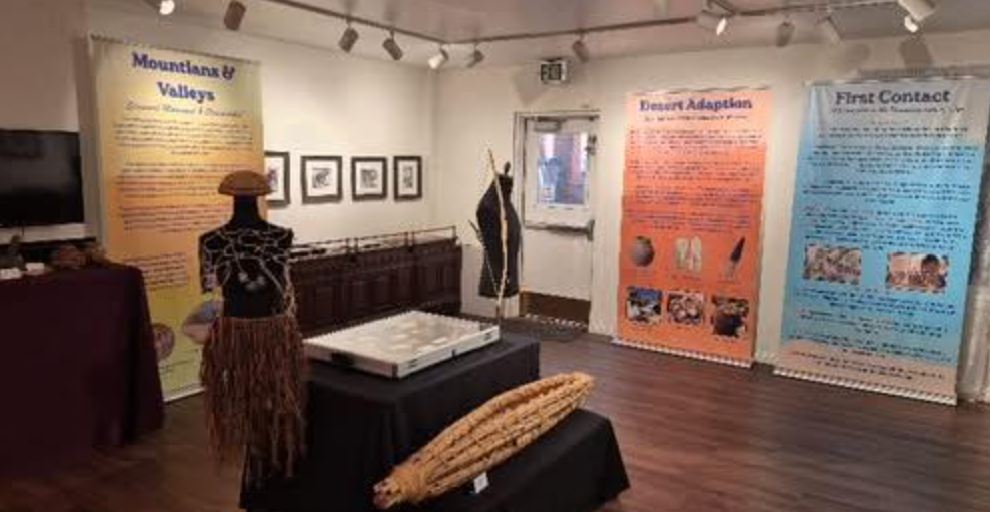
San Diego, CA- The Gaslamp Quarter Historical Foundation is proud to partner with the Sycuan Cultural Resource Center and Museum in presenting the story of the Kumeyaay Nation and its historic tradition to care and nurture our San Diego environment. For the month of May, the Gaslamp Museum at the Davis-Horton House will display rare photographs, banner histories, artifacts, and live demonstrations of traditional arts and crafts. The exhibition is open to the public Thursday to Saturdays with a paid museum admission. Tribal Members are invited at no charge.
The Sycuan Tribe will be on hand May 15, 2026 at 11:00am with a Yucca Cordage Making demonstration and workshop. On May 22, 2026 at 12:00pm we will feature speakers Ethan Baneagas and Jamie LaBrake for our Members-Only lecture series.
“As part of our commitment to inclusivity and cultural awareness we are pleased to bring together representatives of the Kumeyaay Nation, San Diego’s first settlers,” stated Deborah White, Administrator for the Gaslamp Museum. “This will be the first time we have hosted an exhibit that offers a look at the past, present and future of San Diego’s First People. We invite everyone to visit the Gaslamp Museum in May to participate, enjoy the exhibit and tour the museum.”
The Davis-Horton House was built in 1850 and is the oldest house in San Diego’s Historic Gaslamp Quarter. It is located at 410 Island Avenue, San Diego. For over 175 years the House has been central to San Diego’s community and has served as a hospital, military barracks and private residences. Built by William Heath “Kanaka Bill” Davis, founder of the early days of San Diego, it was later the residence of Alonzo Horton, widely recognized as the father of New Town San Diego.
The Sycuan Cultural Center and Museum, Located on the grounds of Kumeyaay Community College and the site of Kumeyaay village of Matamo, conducts language, ethnobotany and other culture classes. Its public museum and reconstructed village show Kumeyaay pottery, basketry, homes and other implements used during daily life in the village.


