
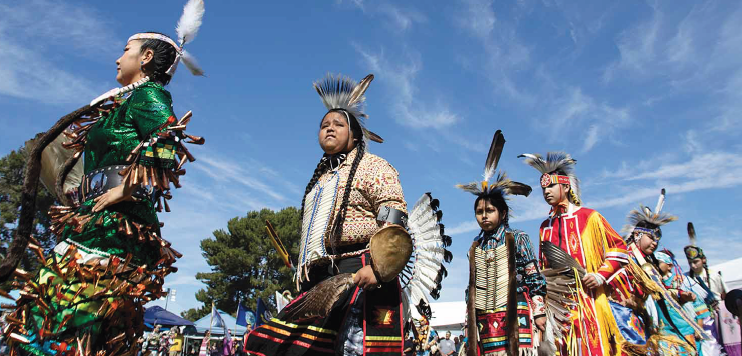
Photo: by Photo: Josh Whitehead, Courtesy Southwestern Sun
Haw Kemyulk means “Sweet Water” in the Ipay language of the Kumeyaay Old Ones. She is a generous spirit of life running from the mountain Creators through the hills and valleys of San Diego County all the way to the ocean.
Southwestern College’s newest learning community is named for the great river that runs its final miles through the college district. Haw Kemyulk strives to bring new life to the region’s Native American students.
“It is so good to see Southwestern College establish a learning community for Native American students,” said Diné activist Sheilah Naajiibah Green, an SWC alumna and Student of Distinction Award recipient in 2009. “I was alone because there were no programs or organizations for Native Americans. I was fortunate and found a community at the student newspaper.”
Haw Kemyulk is a cohort-style program where Native students move together through college. They take classes together and build supportive relationships by spending after-class time in their second-floor space in the new Student Center adjacent to Puente, Umoja, Bayan, Chel and Sangram. Students are encouraged to engage in “cultural enriching activities that honor Indigenous knowledge and identity.” Haw Kemyulk students are eligible for priority registration, counseling and leadership opportunities.
Dr. Guadalupe Corona, director of Student Equity and Services, oversees the area.
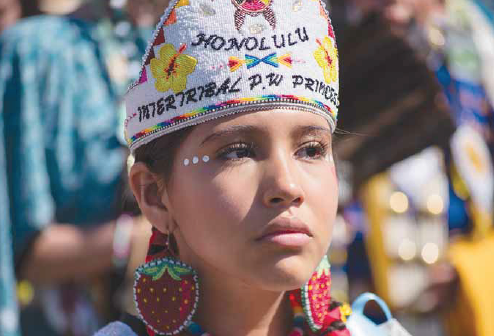
“We are very happy to have a new learning community to support Native American and Indigenous students,” she said. “The students of the learning communities support each other and collaborate on projects.”
Former SWC NASA Club President Lucia Napolez advocated for a Native learning community and Barona spiritual leader Bobby Wallace came up with the name. Native Americans have spelled Haw Kemyulk many different ways, according to Assistant Professor of Native American Studies David Salomon, but most Kumeyaay in the region seem to have pronounced it very much the same way. Wallace and regional Native American intellectuals like Jane Dumas helped to lock in the spellings and pronunciations of the previously unwritten Ipay language in about 2008 when they published a dictionary, Salomon said.
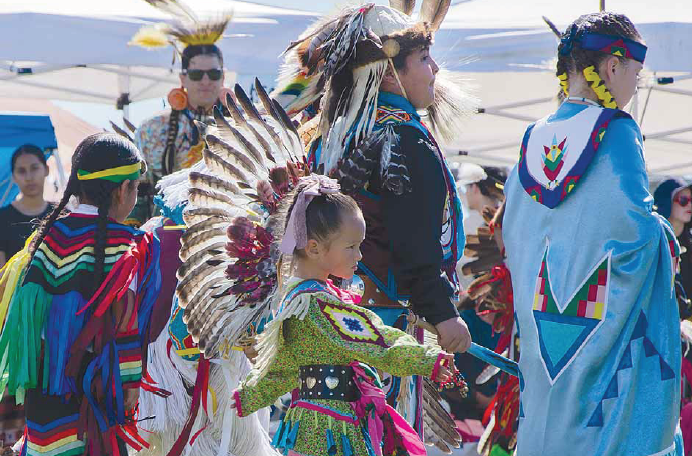
San Diego County is home to 18 federally recognized reservations, the most in the United States. Though data is sketchy, evidence suggests that Native American students from the reservations did not start to attend local colleges in measurable numbers until the 1990s. Most educators and Indigenous leaders agree that Native Americans are severely underrepresented in higher education.
Corona said she hopes the Native American Students and Allies Club (NASA) will collaborate with Haw Kemyulk. Powwow Master of Ceremonies Walter Ahhaitty agreed.
“Indigenous organizations need to work together and not get isolated,” he said. “Southwestern College has a strong NASA and it needs to stay strong. A new learning community should help. We’ve had NASAs all over San Diego County fall apart and fade away. Can’t let that happen here.”
Green agreed.
“I think the new learning community will add to the synergy that is growing at Southwestern College,” she said. “We need more Native Americans with college degrees and Indigenous students need to feel connected and supported.”


