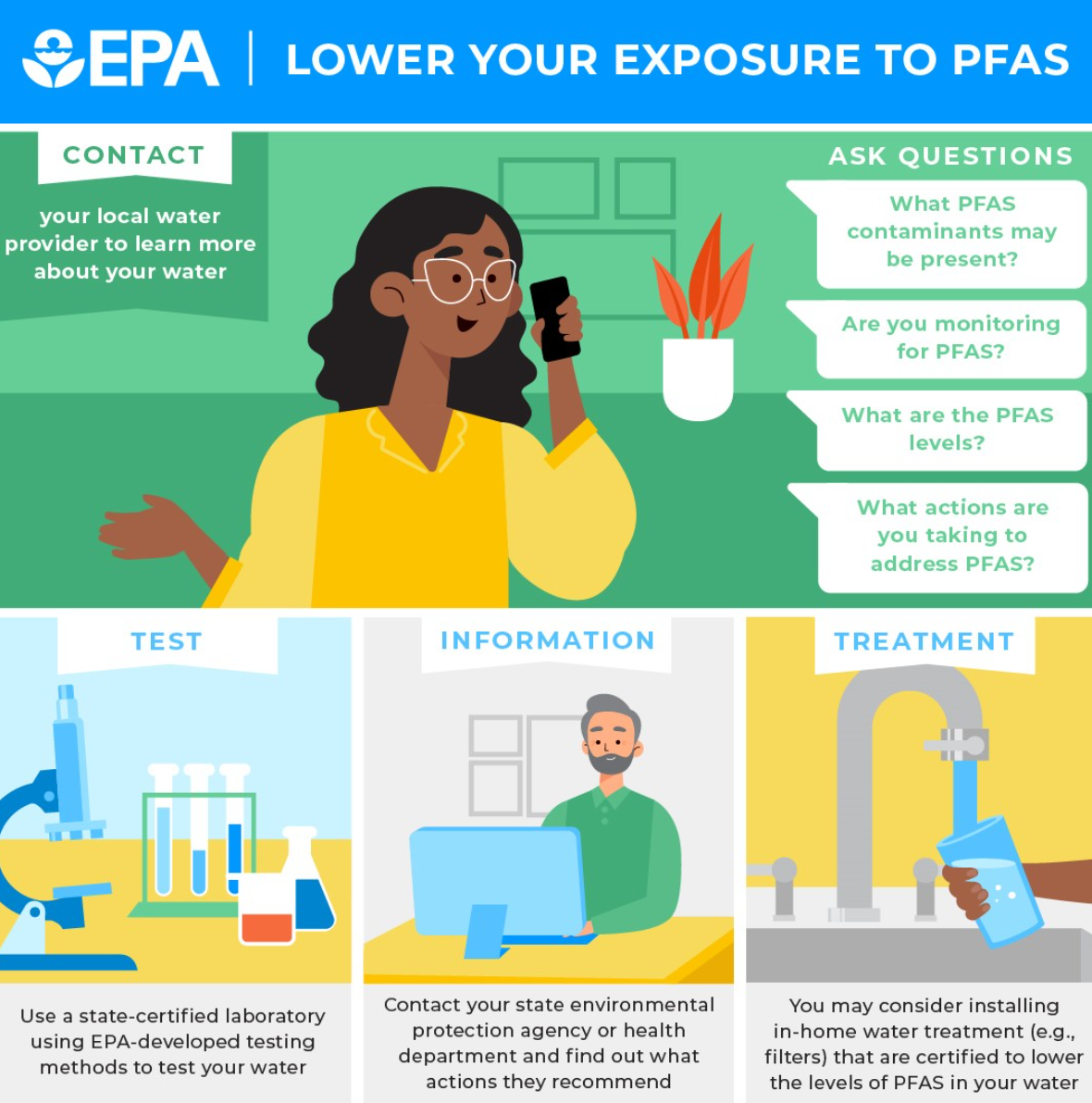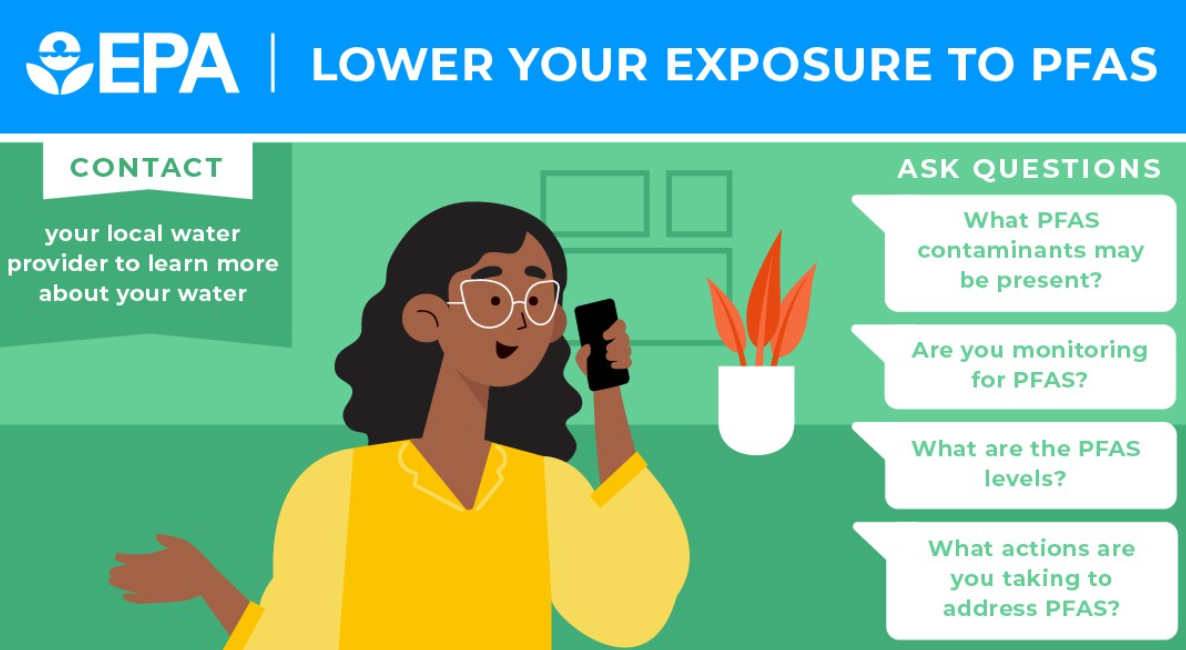
Image: PFAS are forever chemicals to can turn up in drinking water. 2024 image of EPA poster. To contact EPA click here
Information shared through Indigenous Vision in outreach to Indian Voices following discussion presented during a recent podcast interview regarding Tribal PFAS settlement opportunities and water protection resources for Indian Country.
Tribal Nations across the United States are being encouraged to act quickly as major deadlines approach for the 3M and DuPont PFAS Water Settlements — a historic opportunity that could provide millions of dollars in funding for Tribal drinking water systems, environmental remediation, and long-term public health protection.
PFAS, commonly referred to as “forever chemicals,” are synthetic compounds linked to cancer, liver damage, immune system impacts, developmental concerns, and other serious health risks. These chemicals persist in water, soil, fish, and wildlife for decades and have disproportionately impacted Tribal communities due to military installations, industrial activity, airports, mining operations, firefighting foam exposure, and aging infrastructure near Tribal lands.
For many Tribal governments, these settlements represent more than financial compensation. They offer a rare opportunity to strengthen water infrastructure, restore environmental health, and protect future generations while maintaining Tribal sovereignty over implementation and decision-making.
Who May Be Eligible?
Eligible applicants may include:
• Federally recognized Tribal governments
• Tribal public water systems
• Tribal utility authorities
• Tribal wastewater and drinking water entities
• Tribal communities with documented or suspected PFAS contamination
Eligibility is generally determined by:
• Water system flow volume
• PFAS contamination levels
• Historical operation of water systems
• Settlement participation requirements
Even Tribal systems without extensive contamination testing may still qualify for compensation.
Critical Settlement Deadlines
Tribal governments are urged not to delay, as several settlement opportunities have already closed.
Main Claims Deadline:
July 31, 2026
This is the primary deadline for submitting claims under the 3M and DuPont PFAS Water Settlements.
Additional Important Deadlines:
March 31, 2026
Deadline for reimbursement claims related to PFAS testing expenses already incurred.
August 1, 2026
Deadline for Special Needs Fund applications for systems currently paying for PFAS remediation, treatment, or infrastructure upgrades.
Previous PFAS settlement opportunities involving Tyco and BASF have already expired, meaning many communities that did not apply lost access to available funds.
Settlement awards issued nationwide have ranged from approximately:
$36,000 to more than $136 million per award
The wide range demonstrates both the scale of available resources and the potential cost of missing deadlines.
Why Immediate Tribal Participation Matters
The PFAS settlements are intended to help communities:
• Improve drinking water safety
• Address contamination concerns
• Restore environmental health
• Protect natural resources
• Strengthen long-term infrastructure
• Safeguard future generations
Without timely action, Tribal governments risk losing access to funding intended specifically for water protection and environmental restoration.
Support Available for Tribal Governments
While the settlement process can appear technical and document-heavy, advisory assistance is available to help Tribal leadership navigate the process.
SevenStar Holdings provides advisory-only support designed to help Tribes:
• Review eligibility
• Develop claim strategies
• Prepare required documentation
• Submit settlement claims
• Interpret settlement awards
• Develop remediation planning roadmaps
Four Phases of Advisory Support
Phase I — Eligibility & Claim Strategy
• PFAS exposure history review
• Eligibility analysis
• Claim valuation support
• Filing recommendations
Phase II — Application & Award Support
• Claim preparation and submission
• Supplemental documentation support
• Award interpretation
• Tribal Council briefings
Phase III — Remediation Planning
• Site-specific PFAS risk assessments
• Cleanup roadmap development
• Vendor-neutral technology evaluations
• RFP support if requested
Phase IV — Implementation Advisory
• Identification of qualified engineers and contractors
• Long-term remediation planning support
• Guidance while preserving full Tribal authority
SevenStar states that it does not manufacture remediation technologies or operate as a contractor or engineer of record. All implementation decisions remain solely under Tribal authority.
No Upfront Fees
SevenStar’s compensation structure is success-based:
• No upfront fees
• No retainers
• Compensation only if settlement funds are secured
Direct Application & Information Links
• Official PFAS Settlement Claims Portal
https://www.pfaswatersettlement.com/3m-home-page/
• SevenStar Tribal PFAS Information
https://sevenstarbusiness.com/tribalpfas
• Podcast / Interview Reference
https://youtu.be/f3sFME4KXSs
A Call to Tribal Leadership
Tribal governments are encouraged to begin reviewing eligibility, documentation requirements, and filing timelines immediately while settlement opportunities remain open.
For many Tribal Nations, these funds could support clean drinking water, infrastructure improvements, environmental restoration, and long-term community health protections for generations to come.
As awareness grows throughout Indian Country, Indigenous Vision and Indian Voices continue encouraging Tribal communities to explore these opportunities before critical deadlines expire.