
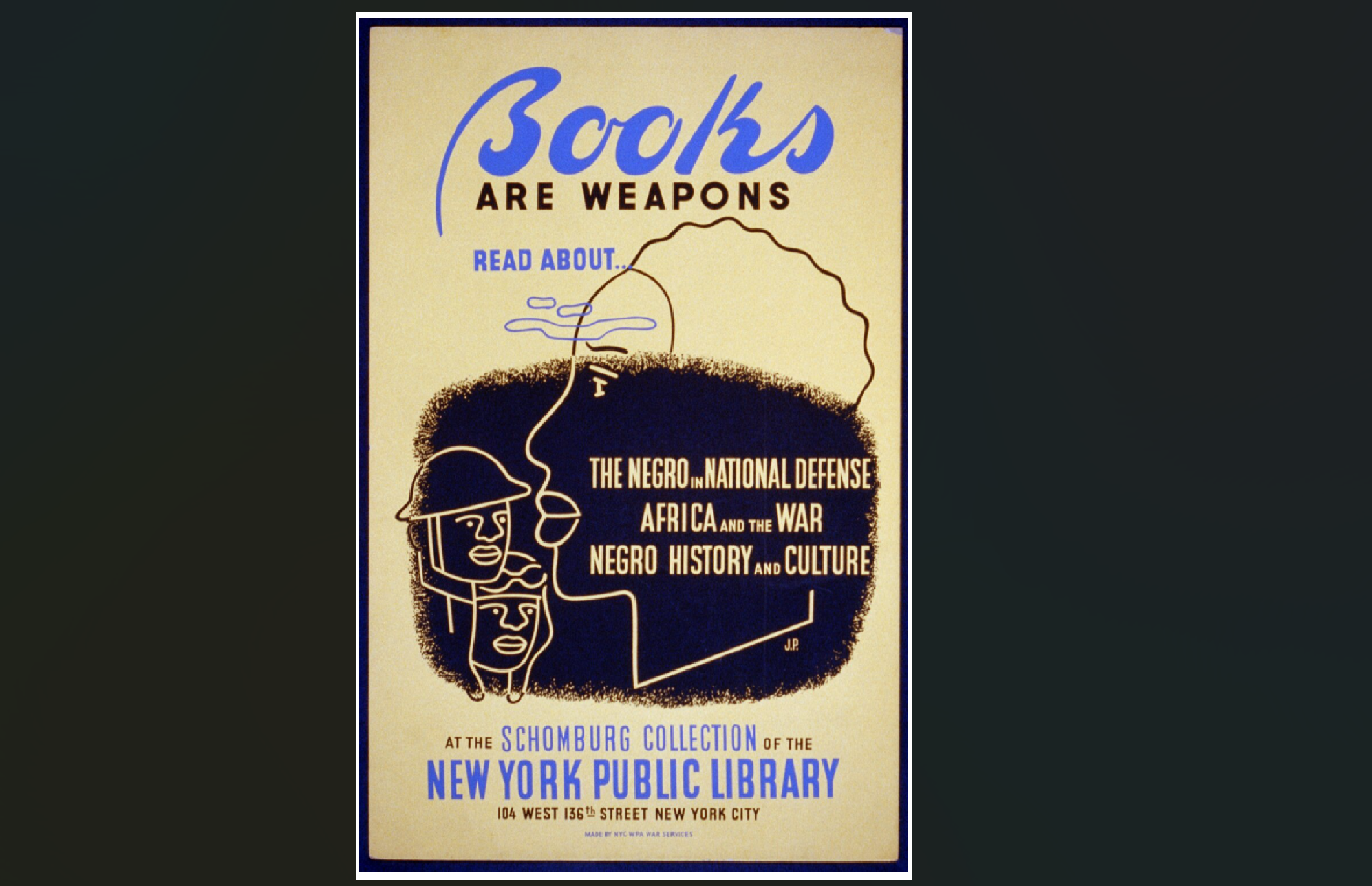
Image: Works Progress Administration Poster collection, Wikimedia
Twenty years ago, The Devil Wears Prada gave us Runway magazine: glossy, powerful, intimidating, and impossible to ignore.
Back then, one magazine issue could set the tone. It could decide what was stylish, what was desirable, what stores would carry, and what advertisers wanted to stand beside. Runway was fictional, but its power was not. It represented an era when print still had the final word.
Now, The Devil Wears Prada 2 arrives in a different media world.
The question is no longer whether a young assistant can survive the fashion magazine machine. The question is whether magazines, newspapers, and trusted journalism can survive a world run by algorithms, social media, artificial intelligence, corporate pressure, and shrinking attention spans.
That is what makes the sequel more than a fashion-world reunion. It is a reminder.
In 2006, Miranda Priestly ruled from the top of a magazine empire. In 2026, that empire is fighting a new kind of battle. Readers still want stories, images, culture, opinion, identity, and beauty. But now they get them from phones, feeds, short videos, newsletters, podcasts, streaming platforms, and search engines that often answer questions before sending anyone to the original source.
The public has not stopped consuming media. It has changed where it consumes it.
The front porch newspaper became the phone notification. The magazine rack became the social feed. The evening news became the streaming queue. The editorial page became a comment section.
But here is the truth: speed is not the same as trust.
A post can go viral in minutes and disappear by morning. A rumor can outrun a correction. A platform can change its algorithm overnight. A social media page can be shadowed, buried, hacked, or forgotten. Digital media is powerful, but it is also fragile.
Print offers something different.
Print holds the record.
That matters deeply for communities that have too often been misrepresented, overlooked, or left out completely.
For Native communities, Indigenous newspapers and magazines are not just publications. They are memory keepers. They document ceremonies, elders, youth, artists, tribal leaders, families, veterans, health issues, education, language, land, sovereignty, and community milestones. They carry announcements that may not trend online but matter deeply in real life.
That is why publications like Indian Voices matter.
Indian Voices is not simply keeping an old habit alive. It is protecting a community record. It is creating a place where Native people are not waiting for mainstream media to decide if their stories are important enough. They are telling their own stories, in their own voice, on their own terms.
That is the real point.
Print does not have to beat digital at speed. It should not even try. Digital will always move faster.
Print’s job now is to be trusted, lasting, clear, and worth saving.
Social media has its place. It can spread emergency updates, event flyers, missing-person alerts, election reminders, cultural announcements, youth achievements, health resources, and calls for support. It helps tribal governments, Native organizations, artists, and families reach people directly.
But social media is rented land.
A newspaper is a record.
A magazine is a statement.
A printed community edition says: “This happened, these people mattered, this story belongs to us.”
That is why the future cannot be paper versus digital. That fight is too small. The real fight is speed versus trust. Noise versus memory. Outside control versus community ownership.
The strongest future is a hybrid one.
Keep print as the trusted community edition. Use digital for fast updates. Use social media to reach people, but do not let social media own the relationship. Build newsletters, text alerts, websites, archives, subscriptions, memberships, events, youth media training, and ethical advertising.
The monthly print edition should feel important enough to keep. It should carry the stories that deserve permanence: elder profiles, tribal news, youth voices, Native business features, cultural coverage, health information, education, arts, obituaries, community calendars, and accountability reporting.
Digital can carry the urgency. Print can carry the weight.
That is the lesson The Devil Wears Prada 2 brings back into the room. The glamour of magazines may have changed. The business model may be harder. The old power structure may be cracked. But the need for trusted editorial voices has not disappeared.
If anything, that need is greater now.
Because when everyone can publish, not everyone verifies.
When everyone can post, not everyone preserves.
When everyone can comment, not everyone is accountable.
Print still has power when it serves a purpose. Not as decoration. Not as nostalgia. Not as something we keep around because “that’s how it used to be.”
Print survives when it becomes useful again.
For Native media, that usefulness is clear. It connects generations. It reaches elders who may not live online. It gives families something to hold, save, mail, frame, archive, and pass down. It gives communities a record that does not vanish when a feed refreshes.
The future of print is not about going backward.
It is about standing firm while moving forward.
So no, print is not dead.
Print is changing jobs.
Digital can deliver the alert. Social media can spread the message. Streaming can hold the viewer. But print can still hold the record.
And for communities whose stories have too often been ignored, that record matters.



