

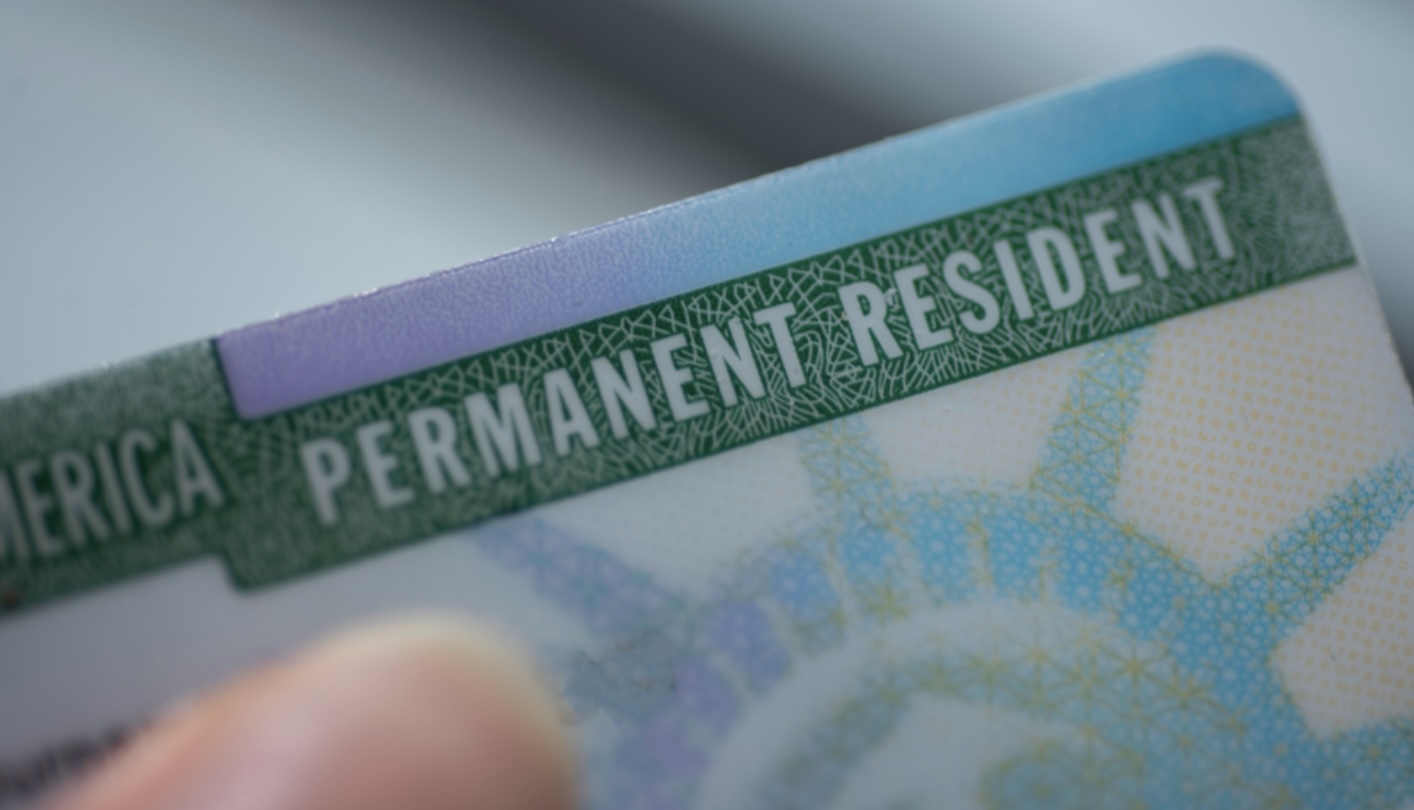
A new U.S. Citizenship and Immigration Services policy memo is creating uncertainty for immigrants seeking permanent residency by raising the possibility that many applicants could be required to leave the United States and complete the green card process from their home countries rather than remaining in the country while their applications are pending.
During an American Community Media briefing, immigration attorneys and policy experts said the memo could affect family and employment-based applicants who have traditionally adjusted their status from within the United States. They also argued the policy is likely to face legal challenges because it was issued without the standard federal rulemaking process, which typically includes a public comment period.
Jeff Joseph, president of the American Immigration Lawyers Association, said the memo reframes adjustment of status as an "extraordinary" form of relief rather than one of the lawful pathways to permanent residence established by Congress. He argued that immigration law has long recognized adjustment of status and consular processing as equal methods of obtaining a green card, with the primary difference being whether the applicant is inside or outside the United States.
Joseph expressed concern that the memo could encourage immigration officers to deny applications more readily by treating adjustment of status as an exception rather than the norm. He said applicants are already being asked why they chose to apply from within the United States instead of through a U.S. consulate abroad, whether they could return to their home country, and whether family members still live there.
He said the memo appears to apply broadly to applicants adjusting status under Section 245 of the Immigration and Nationality Act, including many employment and family-based immigrants. Refugees, asylees, Special Immigrant Juveniles and several humanitarian categories should not be affected because they adjust status under different legal provisions or are specifically excluded from the policy, he said.
Joseph argued that the administration exceeded its authority by creating a new legal standard without congressional approval or formal rulemaking. He said litigation is already being prepared and will likely focus on the memo's departure from existing immigration law, the lack of public notice and comment, and due process concerns surrounding how the policy could be implemented.
Julia Gelatt, associate director of the U.S. Immigration Policy Program at the Migration Policy Institute, said the policy could have its greatest impact on families. Hundreds of thousands of immigrants receive green cards each year through U.S. citizen spouses, parents and children. Under previous practice, many people who entered the country legally, later married a U.S. citizen and became eligible for permanent residency could complete the process without leaving the country.
The new memo introduces uncertainty for applicants whose temporary visas required them to demonstrate they intended to return home, including many international students. Gelatt said those applicants could now be instructed to complete their immigration process abroad, even if they have established families and careers in the United States.
She warned that leaving the country could trigger additional obstacles for some applicants, including three or ten-year bars on reentry for those who previously accumulated unlawful presence. Others could face extended waits at U.S. consulates that may not have the staffing to handle additional cases. Applicants denied abroad also have fewer opportunities to challenge those decisions than applicants whose cases are denied inside the United States.
Xiao Wang, co-founder and chief executive officer of Boundless Immigration, said the uncertainty extends beyond families to employers who rely on highly skilled workers holding visas such as H-1Bs. Companies have invested years recruiting and sponsoring employees under an immigration system that has historically allowed workers to pursue permanent residency while remaining employed in the United States.
He said the memo creates uncertainty for businesses trying to retain experienced workers, as well as for spouses and children whose work authorization and immigration status often depend on a pending adjustment of status application. Industries including healthcare and technology could be particularly affected if workers are required to leave the country for extended periods while waiting for consular processing.
Throughout the briefing, speakers emphasized that the memo's future remains uncertain. Several said the administration has already appeared to soften aspects of the policy following criticism from business groups and immigration advocates, while legal challenges are expected to seek an immediate halt to its implementation.
The panel encouraged immigrants with pending or prospective green card applications to consult qualified immigration attorneys before making major decisions. Speakers stressed that the memo has introduced significant uncertainty, but they also cautioned that many immigration pathways remain unchanged and that the courts will ultimately determine whether the policy can stand


